Moving Companies in Coos Bay, OR
Pricing Along the Bay
Moves within Coos Bay and North Bend are billed hourly, with crews here averaging around $144 per hour. A standard job typically lands somewhere between $498 and $4,132 depending on how much you own and how far the truck has to travel within town.
What to Expect by Home Size
- Studio or 1-bedroom: roughly $400 to $900, about 2 to 4 hours of labor
- 2-bedroom home or apartment: $900 to $1,800, about 4 to 7 hours
- 3-bedroom home: $1,700 to $3,000, about 6 to 9 hours
- 4-bedroom or larger: $2,800 to $5,000 or more, scaling with volume and heavy items
Stairs, long carries from the truck to the door, and any oversized or specialty pieces all add hours to the final bill, so mention them when you request a quote rather than leaving them as a surprise on moving day.
Because these figures only cover labor and the truck itself, a full-service job with packing help or an oversized item like a piano typically lands above the ranges shown here. Sorting loose items into boxes ahead of time is one of the simplest ways to keep a crew moving quickly. The listings below are a solid starting point for comparing local crews serving this stretch of the coast.
Free · no obligation
Quotes from movers in Coos Bay, OR
Two answers below and we pass your move to licensed companies from this page. No account, no fee to you.
Filter & sort Rating, reviews, fleet, licence
Best Movers in Coos Bay, OR
Ranked by popularity. Licensing, insurance and photos shown for each.


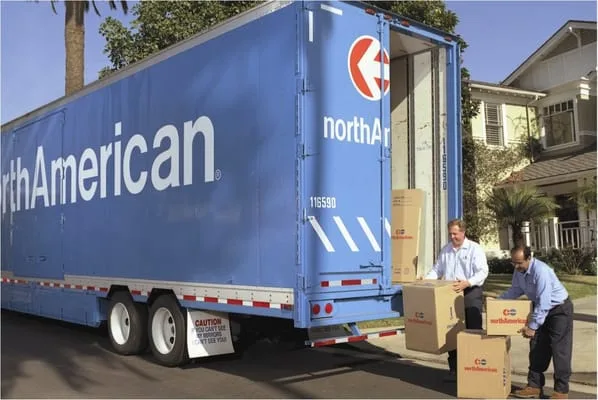



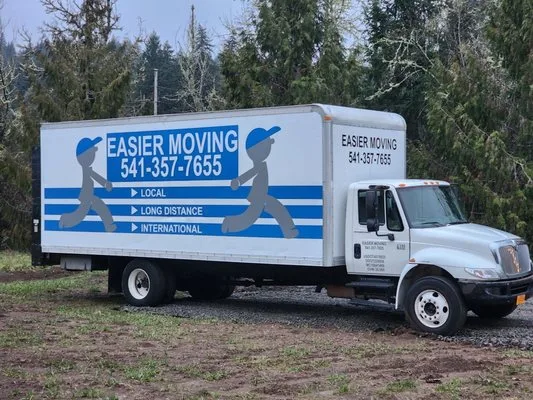
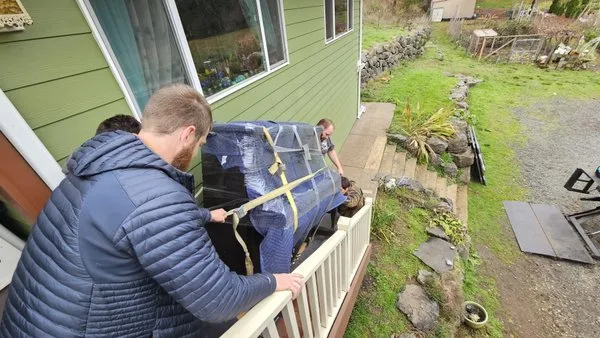

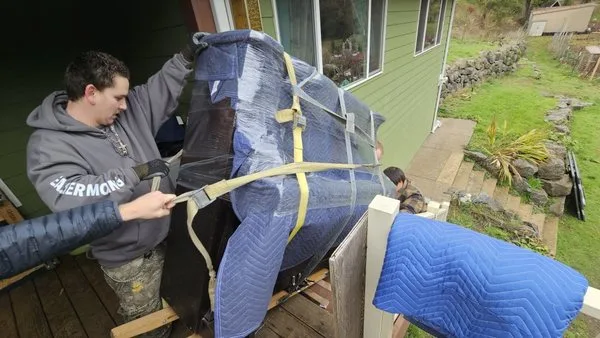
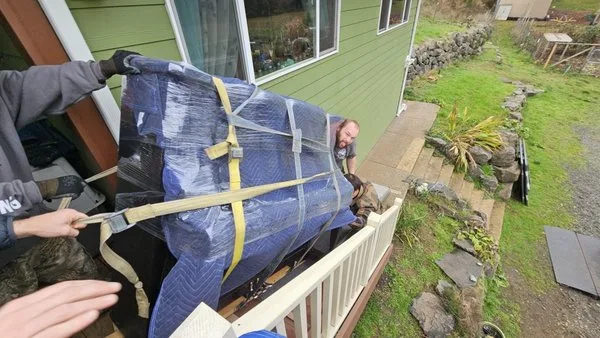
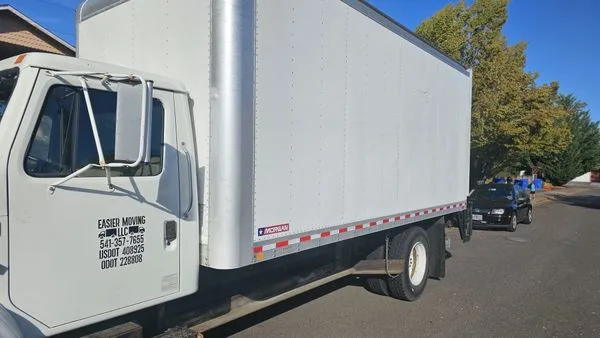


What customers say in Coos Bay, OR
Who's moving to Coos Bay, OR
Federal tax-filer migration data for Coos County.
60% arrived from another state. Long-haul moves need a carrier with active interstate operating authority — plenty of local companies don't hold one.
See licensed movers55% of departures left the state. Interstate moves are priced by weight and distance, and the carrier must hold active interstate operating authority.
See the full picture — 5-year trend, state flows and top routes
Coos Bay refills from a distance: nearby counties pull households out, and the rest of the country more than replaces them. Head count stayed flat all the same — arriving households are smaller (1.65 people on average) than the ones leaving (1.71), so the city gained homes without gaining residents.
Each bar shows that state's in/out split — rows are ranked by total volume.
Households arriving from another state report $69,307 in average annual income; those relocating from elsewhere in Oregon report $48,994. Long-distance arrivals are the higher-budget half of the market.
How this works: IRS SOI County-to-County Migration Data, 2022-2023. The IRS compares the address on consecutive tax returns, so every move here is a real filed household. The catch: it publishes annually with about a two-year lag, counts Coos County rather than city limits exactly, misses people who don't file a return, and leaves 58% of moves unattributed to a specific county, because flows too small to publish are grouped into regional buckets instead. See the whole state on the Oregon migration page →
How much truck space do you need?
I’m moving a that’s .
Industry rules of thumb — about seven pounds per cubic foot, and published rental-truck capacities. Not our carrier records, not a quote. Bring both numbers to the call and what you get back will finally be comparable.